
With over 97,000 vehicle accidents recorded statewide in 2025, a crash in our state isn’t just a possibility; it’s a statistical reality that demands a tactical response. When the metal stops crunching and the adrenaline spikes, knowing exactly what to do after car accident Connecticut events unfold can be the difference between a secured future and a financial disaster. You’re likely feeling a mix of physical pain and a thick mental fog, worrying about how you’ll cover medical bills or if you’ll accidentally say the wrong thing to a predatory insurance adjuster.
It’s completely normal to feel overwhelmed by the complexity of local reporting laws and the pressure of insurance deadlines. This guide serves as your strategic brief to cut through the confusion and regain control. You’ll master the critical tactical steps and legal requirements necessary to protect your rights and maximize your recovery after a Connecticut crash. We’re providing a clear, step-by-step plan that covers everything from the $1,000 property damage reporting threshold to navigating the state’s modified comparative negligence rules.
Key Takeaways
- Establish immediate scene safety and satisfy Connecticut’s mandatory reporting requirements for injury and property damage.
- Identify the specific photographic evidence and witness data needed to build a formidable case against insurance adjusters.
- Understand what to do after car accident Connecticut events to navigate the 51% modified comparative negligence rule effectively.
- Guard your health and your claim by recognizing the importance of medical reconnaissance within the first 72 hours.
- Recognize why the two-year statute of limitations requires a disciplined, urgent approach to preserve your legal rights.
Call For A Consultation
(860) 333-6455Table of Contents
Immediate Tactical Response: Your First 15 Minutes at the Scene
The seconds following a traffic collision are often characterized by what we call the “fog of war.” Adrenaline spikes, vision narrows, and clear thinking becomes difficult. Your immediate priority is the preservation of life and the security of the scene. If your vehicle is functional and sitting in the flow of traffic, move it to the nearest shoulder or a safe parking area to prevent secondary impacts. Abandoning the scene is never an option. Connecticut hit and run laws are severe, potentially resulting in license suspension or jail time even for minor incidents. Once you’ve established a safe perimeter, perform a rapid self-recon. Check yourself and your passengers for visible trauma, but remain aware that internal injuries often hide behind an adrenaline surge. You must remain a steady, calming presence while you wait for emergency services to arrive.
Securing the Perimeter and Calling 911
In Connecticut, you are legally required to file a report if an accident results in injury or property damage exceeding $1,000. Don’t let the other driver talk you out of calling 911 because it “looks like just a scratch.” Modern vehicle sensors and frame damage can easily surpass that $1,000 threshold without showing visible signs on the bumper. A formal police report is the bedrock of your legal strategy in cities like New Haven or Groton. When you speak with the dispatcher, be precise. Provide your exact location, the number of vehicles involved, and any immediate traffic hazards. This initial report creates an objective record that prevents the other party from changing their story later when they speak to their insurance company. It’s the first piece of intelligence in your tactical file.
The “No-Admission” Rule
Discipline in communication is vital when determining what to do after car accident Connecticut events. It’s a human instinct to say “I’m sorry,” even if you didn’t cause the crash. In a legal context, those two words can be interpreted as an admission of fault, which may jeopardize your recovery under Connecticut’s modified comparative negligence rules. Tactical communication with the other driver should be limited to a professional exchange of names, insurance details, and registration information only. If the other party becomes aggressive, erratic, or appears intoxicated, stay in your locked vehicle and wait for the police to arrive. Don’t engage in an argument or attempt to assign blame at the scene. Your goal is to gather facts, not to conduct a roadside trial. Let the evidence speak for itself while you focus on maintaining your composure and protecting your future claim.

Call For A Consultation
(860) 333-6455Strategic Intelligence Gathering: The Evidence Checklist
Evidence disappears. Rain washes away skid marks, city crews repair broken traffic lights, and memories fade into generalizations within hours of the impact. Understanding what to do after car accident Connecticut scenarios requires an immediate shift from victim to investigator. Your goal is to build a comprehensive intelligence file that leaves no room for insurance adjusters to minimize your claim. These steps to take after a car accident are not just suggestions; they are the defensive maneuvers required to protect your financial future. Before you leave the scene, ensure you have secured the responding officer’s name and the specific case number assigned to your incident.
Visual Documentation Tactics
Effective documentation requires more than just a few snapshots of a dented fender. Implement a 360-degree photography rule by capturing the entire scene from multiple vantage points, including the approach angles of both vehicles. Document environmental factors like obscured stop signs, faulty traffic signals, or icy patches on Connecticut roads that may have contributed to the crash. You should also photograph the interior of your vehicle to document deployed airbags, shattered glass, or bloodstains that prove the force of the impact. If the complexity of the scene makes it difficult to know what to prioritize, seeking expert car accident representation can provide the tactical guidance needed to organize this data into a winning strategy.
Securing Witness Statements
Neutral third-party witnesses are the gold standard of evidence. Unlike your passengers, who may be viewed as biased by a jury or an insurance company, a bystander has no “skin in the game.” Approach potential witnesses with a direct question: “Did you see what happened?” If they did, secure their cell phone number and email address immediately. Don’t rely on the police to gather this information, as officers are often busy managing traffic and may only record the statements of the primary drivers. A quick voice memo recorded on your phone can also capture your own immediate recollections of the event, ensuring that the “fog of war” doesn’t distort your memory of the tactical details later.
Once you’ve secured the perimeter and gathered your intelligence, your focus must shift inward. Physical trauma isn’t always immediately apparent, and how you handle the next 72 hours will define the strength of your medical claim. Every piece of data you collect now serves as a shield against the tactics used by insurance companies to deny the reality of your experience.

Call For A Consultation
(860) 333-6455Medical Reconnaissance: Protecting Your Health and Your Claim
Adrenaline is a powerful biological shield. In the immediate aftermath of a crash, your body is flooded with chemicals designed for survival, not diagnostic accuracy. This is why determining what to do after car accident Connecticut events must include a mandatory medical evaluation within 24 to 72 hours. Even if you believe you escaped unscathed, internal trauma often remains dormant for days or even weeks. Treating your health as a mission objective ensures that “invisible” injuries are identified before they become permanent disabilities.
The Danger of Delayed Symptoms
Insurance adjusters are trained to exploit any hesitation in seeking care. They utilize a “gap in treatment” defense, arguing that if you weren’t hurt enough to see a doctor immediately, your injuries either aren’t serious or occurred after the accident. Common injuries like whiplash, concussions, or internal bleeding don’t always present with immediate agony. A strategic visit to an ER or Urgent Care in Groton or New Haven creates a medical paper trail that anchors your physical condition to the date of the crash. This isn’t just about health; it’s about neutralizing a primary defensive tactic used by the opposition. If you wait until the pain is unbearable, you’ve already given the insurance company a weapon to use against you.
Documentation of Ongoing Recovery
Discipline doesn’t end at the hospital. You need to maintain a “Mission Log” to track the trajectory of your recovery. Document your daily pain levels, limitations on your mobility, and how these injuries disrupt your professional and family life. A daily journal that contrasts “bad days” with “good days” provides concrete evidence that a generic medical chart often misses. Keep all bills, receipts, and discharge papers in a centralized folder to ensure no expense is overlooked. When working with a distracted driving accident lawyer CT, this organized intelligence allows your advocate to link every symptom directly back to the driver’s negligence.
You must follow your medical provider’s instructions with military precision. If a doctor prescribes physical therapy or a follow-up specialist, attend every appointment without exception. Skipping treatments gives the insurance company an opening to claim a “failure to mitigate damages,” suggesting you are responsible for your own slow recovery. Your health is the mission, and your adherence to the treatment plan is the strategy that secures it. Once your physical condition is stabilized and documented, you can pivot to the complex legal landscape of Connecticut insurance mandates.

Navigating Connecticut Insurance and Legal Mandates
Legal deadlines are absolute. In the theater of personal injury law, missing a filing date is a catastrophic failure that no amount of evidence can rectify. Connecticut law provides a strict two year statute of limitations for most car accident claims. While two years might seem like a significant window, the intelligence gathering and medical stabilization discussed in previous sections take time. Waiting until the eleventh hour to initiate your claim is a strategic error that gives insurance companies the upper hand. Understanding what to do after car accident Connecticut regulations take effect is essential for your survival in the claims process.
Connecticut’s 51% Fault Rule
Our state follows a modified comparative negligence system. This means you can only recover damages if your responsibility for the crash is 50% or less. If a jury or insurance adjuster determines you are 51% at fault, you receive zero compensation. Insurance carriers are experts at shifting blame; they often attempt to pin 10% or 20% of the fault on you for minor issues like “failing to keep a proper lookout” just to reduce their total payout. Connecticut law operates under a modified comparative negligence system, meaning your final settlement check will be reduced by the exact percentage of fault attributed to your own actions. This is why disciplined documentation of the other driver’s errors is your best defense against having your recovery devalued by aggressive adjusters.
The PR-1 Report and Insurance Deadlines
The Uniform Police Accident Report, known as the PR-1, is the primary record of your collision. You must review this document with extreme care to ensure the officer correctly recorded the tactical details of the crash. If a report wasn’t filed at the scene or if there’s an error, you may need to file a Supplemental Accident Report (Form PR-1) with the DMV, especially if property damage exceeds $1,000 or someone was injured. Beyond the state requirements, your own insurance policy likely mandates “prompt notification” of any incident.
There is a critical distinction between notifying your insurer that an accident occurred and giving a recorded statement. Adjusters often use recorded statements to lead you into contradictory answers that can be used to deny your claim later. Similarly, they may ask you to sign a “blanket” medical release form. This isn’t just for your accident records; it often gives them access to your entire medical history, allowing them to claim your current pain is a “pre-existing condition.” Before you sign any documents or record a statement, you should secure professional car accident representation to ensure your rights remain protected. Your advocate acts as a shield, handling all communication with the insurance carrier so you can focus on your recovery mission.
Engaging the Mission Focus: Why Disciplined Advocacy Matters
Navigating the aftermath of a collision is a high-stakes operation that leaves no room for hesitation. When you are deciding what to do after car accident Connecticut incidents, you need more than a generic legal advisor. You need a strategic ally who understands the discipline required to win against aggressive insurance carriers. At Mission Focus Legal Group, we apply military-grade precision to every case we manage. This disciplined approach ensures that no piece of evidence is overlooked and no insurance tactic goes unchallenged. We operate with a sense of protective confidence, ensuring that while you focus on your physical recovery, we focus on the mission of securing your financial future.
Strategic Representation for Groton and New Haven
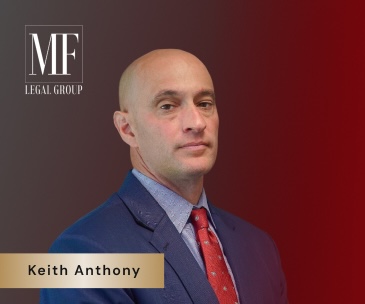
Our firm brings a unique perspective to the Connecticut legal landscape, rooted in over 10 years of service and the leadership of Attorney Keith Anthony, a U.S. Marine Corps Reserve Major. This background as a JAG officer influences our aggressive advocacy style and our methodical approach to litigation. We possess deep local knowledge of the courts from New Haven to Norwich, allowing us to navigate the specific nuances of each jurisdiction. We take particular pride in providing specialized advocacy for military families stationed near the Groton Sub Base. Service members face unique challenges after an accident, including potential impacts on their duty status or specialized insurance considerations. We understand the weight of your service and provide the steady, reliable partnership you deserve during a crisis.
Your Recovery Mission Starts Here
The burden of fighting insurance adjusters shouldn’t rest on your shoulders while you’re trying to heal. From the moment you engage our firm, we take over all communications with the opposition, shielding you from the predatory tactics discussed in earlier sections. We operate on a contingency fee structure, which means we only get paid if we win your case. This “no-fee guarantee” ensures that our interests are perfectly aligned with yours; we are fully invested in the success of your recovery mission. During your initial consultation, we’ll perform a comprehensive review of your tactical file, including your PR-1 report and medical documentation, to outline a clear path forward.
You’ve already taken the first step by educating yourself on the legal requirements and tactical responses necessary for a successful claim. Now, it’s time to transition from a position of vulnerability to a position of informed strength. Don’t let the insurance companies dictate the terms of your future. Contact Mission Focus Legal Group today to secure your future. We are ready to stand as your disciplined protector and authoritative expert in the pursuit of the justice you’ve earned.
Secure Your Recovery Mission Today
Success in a personal injury claim isn’t accidental; it’s the result of a disciplined execution of every strategic step we’ve outlined. From the initial 911 call to the final medical follow-up, your adherence to a clear plan is what prevents insurance adjusters from devaluing your experience. Understanding what to do after car accident Connecticut incidents ensures you remain in control of the narrative, protecting your right to recovery under the state’s complex fault rules. You’ve gathered the intelligence and prioritized your health; now it’s time to engage a battle-tested advocate to lead the final phase of your mission.
Mission Focus Legal Group, led by U.S. Marine Corps Reserve Major Keith Anthony, provides the high-stakes authority you need. With over 10 years of Connecticut personal injury experience, our firm is dedicated to the unique needs of military families and local CT residents. We handle the logistical heavy lifting so you can focus on healing. Get Your Strategic Case Evaluation with Keith Anthony and discover what it’s like to have a disciplined protector in your corner. Your future is worth the fight, and we’re ready to stand with you until the mission is complete.
Frequently Asked Questions
Do I have to report a car accident to the police in Connecticut?
Yes, you must report any accident that results in injury, death, or property damage exceeding $1,000. This is a strict legal requirement in our state. Even if the damage appears minor, the cost of modern vehicle sensors and bodywork often surpasses this $1,000 threshold. Filing a formal report ensures an objective record exists if you need to pursue a claim later.
How long do I have to file a car accident lawsuit in CT?
The statute of limitations for personal injury claims in Connecticut is generally two years from the date of the accident. If you miss this deadline, you lose your legal right to seek compensation forever. Cases involving government entities have much shorter notice periods, sometimes as little as 90 days, which makes immediate tactical planning essential for your case.
What happens if I am partially at fault for the accident?
You can still recover compensation as long as your percentage of fault is 50% or less. This is known as the 51% rule under Connecticut’s modified comparative negligence law. Your final settlement is reduced by the percentage of fault assigned to you. For instance, if you are found 10% responsible, your total recovery will be reduced by that same 10%.
Should I give a recorded statement to the other driver’s insurance company?
No, you shouldn’t provide a recorded statement until you have consulted with an attorney. Insurance adjusters are trained to lead you into answers that can be used to shift blame or minimize your injuries. When determining what to do after car accident Connecticut events, remember that you aren’t legally required to give a recorded statement to the other party’s insurer to initiate a claim.
What if the other driver doesn’t have insurance (Uninsured Motorist)?
You will file a claim under your own policy’s Uninsured Motorist (UM) coverage. Connecticut law mandates that all drivers carry UM coverage with minimum limits of $25,000 per person and $50,000 per accident. This protection is designed specifically for this scenario, ensuring you have a path to recovery even when the at-fault driver fails their legal obligations.
Can a car accident affect my military status or security clearance?
A standard accident usually won’t impact your status, but related issues like a DUI charge or a significant unpaid civil judgment can trigger a security clearance review. Because our firm is led by a U.S. Marine Corps Reserve Major, we understand the specific reporting requirements for service members. We provide disciplined advocacy to protect both your legal rights and your military career.
How much does it cost to hire a car accident lawyer in Connecticut?
Most personal injury attorneys operate on a contingency fee structure, meaning you pay nothing upfront. The legal fee is a percentage of the final settlement or verdict we secure for you. If we don’t win your case, you don’t owe us an attorney fee. This allows you to focus on your medical recovery without the added stress of hourly legal bills.
What should I do if the accident happened in New Haven but I live in Groton?
You should hire a firm that has the tactical reach to handle cases in both locations. While the legal proceedings usually take place in the jurisdiction where the crash occurred, you need an advocate who is accessible to you at home. We serve clients across the state, providing a steady presence in New Haven courts while remaining a reliable partner for families in Groton.
Call For A Consultation
(860) 333-6455